
Century battery chargers, detailed in various manuals, offer reliable power solutions for automotive and general battery maintenance.
These chargers, like the CC1206 and CK3154-1, are designed for safe and efficient battery restoration.
Understanding the charger manual is crucial for optimal performance and longevity, ensuring correct usage and adherence to safety guidelines.
What is a Century Battery Charger?
Century battery chargers, as outlined in their respective manuals, are sophisticated devices engineered to restore and maintain lead-acid batteries. These chargers, produced by Century Yuasa, cater to a diverse range of battery types and voltages, commonly 6V and 12V.
The manuals emphasize that these aren’t simply power sources; they employ advanced charging algorithms, such as the 9-stage process found in the CC1206 model, to optimize battery health and extend its lifespan.
Features like ‘Force Start Mode’ demonstrate the chargers’ ability to revive deeply discharged batteries. Century chargers are designed for both in-vehicle and out-of-vehicle charging, offering versatility for various maintenance needs. Proper understanding of the manual is key to safe and effective operation.
Types of Century Battery Chargers
Century battery chargers come in several configurations, each detailed in its specific manual. The CC1206 is a 6Amp, 9-stage charger, ideal for modern vehicle batteries requiring a more nuanced charging profile. The CK3154-1 is a manual battery charger, offering a simpler, more traditional charging approach.
For heavier-duty applications, the K3153-1 provides a substantial 15/2/100 Amp output at both 6 and 12 volts. Each manual highlights the unique features and optimal uses for its respective model.
Understanding these differences, as explained in the documentation, is crucial for selecting the right charger for your battery type and needs. The manuals also provide guidance on selecting the appropriate charging mode and voltage setting.

Safety Precautions
Century charger manuals emphasize crucial safety guidelines, including proper ventilation, avoiding sparks near batteries, and correct DC connection procedures.
Always consult the manual before operation to prevent hazards.
General Safety Guidelines
Century battery charger manuals consistently prioritize user safety. Before operation, always carefully read and understand all instructions provided within the manual. Ensure the charger is used in a well-ventilated area to prevent the accumulation of potentially explosive gases.
Never expose the charger to rain or moisture, as this poses a significant electrical shock risk. Always disconnect the charger from the power source before connecting or disconnecting it from the battery. Use insulated tools to avoid short circuits.
Avoid charging damaged batteries, and never attempt to charge a frozen battery. Regularly inspect the charger’s cord and plug for any signs of damage, and if found, discontinue use immediately. Following these guidelines, detailed in the manual, will ensure safe and effective battery charging.
Battery Gas Hazards
Century battery charger manuals emphatically warn about the dangers of explosive gases produced during charging. Batteries release hydrogen and oxygen gases, forming a highly flammable mixture. This risk is significantly heightened in enclosed spaces, making adequate ventilation absolutely critical.
Never smoke, use open flames, or create sparks near a charging battery. The manual stresses the importance of disconnecting the charger before making any connections or disconnections to minimize spark potential. Ensure the charging area is clear of combustible materials.
If you detect a sulfurous odor (like rotten eggs), immediately stop charging and ventilate the area. These gases are a clear indication of battery overcharging or a malfunction. Prioritizing these safety measures, as outlined in the charger manual, is paramount.
Charger Location & Ventilation
Century battery charger manuals consistently emphasize the importance of proper charger placement and ventilation. Always position the charger in a cool, dry, and well-ventilated area, away from direct sunlight and extreme temperatures. Avoid charging batteries in enclosed spaces like garages or sheds without sufficient airflow.
The manual explicitly states to keep the charger at least one meter away from flammable materials, such as paper, cloth, or gasoline. Ensure the ventilation isn’t obstructed during the charging process. This prevents the accumulation of potentially explosive hydrogen gas released by the battery.
Regularly inspect the charger’s ventilation openings to ensure they are clear of dust and debris, as outlined in the charger manual, maintaining optimal performance and safety.
Understanding Your Century Charger ⎻ Model Specifics
Century charger manuals detail unique features for each model – CC1206, CK3154-1, and K3153-1 – outlining specific charging modes and operational instructions for optimal use.
Century CC1206 6Amp 9 Stage Charger
The Century CC1206, as detailed in its owner’s manual, is a sophisticated 9-stage charger designed for optimal battery recovery and maintenance. This charger utilizes a multi-stage process to analyze battery condition, desulphate, charge, and maintain optimal voltage.
A key feature highlighted in the manual is the Force Start Mode. If a battery’s voltage drops below 2V, holding the Battery Type button for 3 seconds activates this mode, providing a 30-second output to initiate charging.
The manual emphasizes the importance of understanding the LED indicators, which display the charging stage and battery status. Proper use, guided by the manual, ensures efficient and safe battery charging, extending battery life and performance.
Century CK3154-1 Manual Battery Charger
The Century CK3154-1 Manual Battery Charger, as outlined in its accompanying manual, is a robust and straightforward charging solution. The manual prioritizes safety, detailing crucial precautions regarding charger location, proper DC connection procedures, and the necessity of grounding.
It provides clear instructions on connecting the charger clips to the battery, whether the battery remains installed within a vehicle or has been removed for charging. The manual stresses the importance of following the manufacturer’s guidelines to prevent damage to both the charger and the battery.
Understanding these instructions, detailed within the manual, is vital for safe and effective operation, ensuring a reliable charging process and maximizing battery lifespan.
Century K3153-1 15/2/100 Amp 6/12 Volt Charger
The Century K3153-1 is a versatile charger, offering 15, 2, and 100 Amp charging rates for both 6 and 12-volt batteries. While specific manual details are limited in the provided context, understanding its multi-rate capabilities is key. The charger’s manual likely details selecting the appropriate amperage based on battery size and condition.
Proper usage, as described in the manual, involves careful consideration of the battery’s voltage – ensuring the charger is set to 6 or 12 volts before connection. Safety precautions, common to all Century chargers, are emphasized within the manual, covering ventilation and avoiding sparks.
Consulting the full manual is crucial for maximizing the K3153-1’s potential and ensuring safe, efficient battery charging.
Connecting the Charger
Century charger manuals emphasize correct connection to battery terminals, whether in-vehicle or removed, prioritizing safety and proper polarity;
Always follow the manual’s instructions to avoid sparks and ensure a secure connection.
Connecting to the Battery Terminals
Century battery charger manuals consistently stress the importance of correct terminal connection. Begin by ensuring the charger is switched off before making any connections. Identify the positive (+) and negative (-) terminals on both the charger and the battery – typically marked with red and black colors, respectively.
Attach the red (positive) clamp to the positive terminal of the battery, and the black (negative) clamp to the negative terminal. Double-check these connections to prevent accidental short circuits. A secure connection is vital for efficient charging and to minimize the risk of sparks.
The manual also advises against connecting the charger to a battery that is showing signs of damage, such as cracks or leaks. Always refer to the specific manual for your Century charger model for detailed instructions and safety precautions.
Charging a Battery in a Vehicle
Century battery charger manuals outline specific procedures for in-vehicle charging. Disconnect all electrical loads – lights, radio, etc. – before connecting the charger. Ensure the vehicle’s ignition is switched off. Connect the charger clamps to the battery terminals as detailed in the manual: red to positive (+), black to negative (-).
Some manuals recommend disconnecting the negative terminal of the battery from the vehicle’s chassis to prevent potential electrical issues. However, this isn’t always necessary. Always prioritize the instructions in your specific charger’s manual.
Monitor the charging process and avoid operating the vehicle while charging. Once charged, disconnect the charger before disconnecting the clamps from the battery.
Charging a Removed Battery
Century battery charger manuals emphasize safety when charging a removed battery. Work in a well-ventilated area, as batteries release explosive gases during charging. Place the battery on a non-conductive surface, away from flammable materials. Connect the charger clamps to the battery terminals – red to positive (+), black to negative (-).
Double-check the polarity before initiating the charge; reversed connections can cause severe damage. Ensure the charger is set to the correct voltage (6V or 12V) as indicated on the battery. Monitor the charging process regularly, and avoid any sparks near the battery.
Once fully charged, disconnect the charger before removing the clamps from the battery terminals.

Charging Modes & Features
Century charger manuals detail features like 9-stage charging (CC1206) and Force Start Mode for deeply discharged batteries.
Voltage selection (6/12V) is also a key function for versatile charging.
9-Stage Charging Process (CC1206)
The Century CC1206 employs a sophisticated 9-stage charging process, meticulously outlined in its owner’s manual, to optimize battery health and longevity. This advanced system begins with a soft start, followed by bulk charging to rapidly restore a significant portion of the battery’s capacity.
Next, absorption charging refines the process, ensuring full saturation. Constant voltage then maintains peak charge levels, transitioning into a storage phase for long-term maintenance. The cycle includes a recondition phase for sulfated batteries, a pulse maintenance stage, and finally, a float charge to keep the battery topped off.
Each stage is carefully monitored and adjusted by the charger, providing a tailored charging profile for various battery types and conditions, as detailed within the Century battery charger manual.
Force Start Mode (CC1206)
The Century CC1206 features a “Force Start Mode,” a valuable function detailed in the Century battery charger manual, designed to initiate charging on deeply discharged batteries – those with voltages below 2V. Activating this mode requires pressing and holding the Battery Type button for approximately 3 seconds, indicated by the scrolling of all four battery LEDs.
This action bypasses the charger’s initial voltage detection, forcing a 30-second output to attempt to ‘wake up’ the battery and begin the charging process. It’s crucial to understand, as the manual emphasizes, that this mode is for severely depleted batteries only.
Repeated or unnecessary use of Force Start Mode could potentially damage the battery. Always consult the manual for specific guidelines and safety precautions before utilizing this feature.
6/12 Volt Selection
Century battery charger manuals, particularly for models like the K3153-1, clearly outline the importance of correct voltage selection before initiating a charge. Most chargers offer the flexibility to charge both 6-volt and 12-volt batteries, but incorrect setting can lead to battery damage or even charger malfunction.
The manual will detail the specific method for switching between these voltages – often involving a dedicated switch or selector dial. Always verify the voltage of your battery before connecting the charger and ensure the charger is set to match.
Incorrect voltage application can cause overheating, gassing, or permanent battery failure. Refer to your specific model’s manual for detailed instructions and safety warnings regarding this critical setting.
Troubleshooting Common Issues
Century charger manuals provide guidance for resolving typical problems like the charger failing to power on or a battery not receiving a charge.
Error codes, if present, are explained to help diagnose the issue quickly.
Charger Not Turning On
If your Century battery charger isn’t powering on, the manual suggests several checks. First, verify the AC power supply is functioning correctly by testing with another device. Ensure the power cord is securely connected to both the charger and the outlet.
Next, inspect the fuse within the charger – the manual will detail its location and replacement procedure. A blown fuse indicates a potential internal issue. Also, confirm the charger’s on/off switch is fully engaged.
Some models feature LED indicators; check if any are illuminated, providing clues about the problem. If none are lit and basic checks fail, consult a qualified technician, as internal damage may be present. Always disconnect the charger from the mains before inspecting any components.
Battery Not Charging
If the Century charger connects but the battery isn’t charging, the manual highlights several troubleshooting steps. Begin by confirming correct polarity – red clamp to positive (+), black to negative (-). Reversed connections prevent charging and can damage the battery or charger.
Check the battery voltage; if below 2V, the manual for the CC1206 recommends using “Force Start Mode” (holding the Battery Type button for 3 seconds). Ensure the battery terminals are clean and free of corrosion, providing a good electrical contact.
Verify the selected charging mode (6V or 12V) matches the battery’s voltage. A faulty battery may also be the cause; testing with a multimeter can confirm its condition. Refer to the manual’s troubleshooting section for specific error codes or indicator lights.
Error Codes & Indicators
Century battery charger manuals detail specific error codes and indicator lights to diagnose issues. While specific codes vary by model (CC1206, CK3154-1, K3153-1), the manual emphasizes understanding these signals is vital for effective troubleshooting.
Flashing LEDs often indicate a problem – for example, a low voltage battery or reversed polarity. The manual provides a table explaining each code’s meaning and suggested corrective actions. Pay close attention to the charger’s display; some models show error messages directly.
Solid indicator lights usually signify normal operation, but a consistently lit error light requires investigation. Consult the manual for a comprehensive list of indicators and their corresponding solutions before attempting repairs.
Wiring Diagrams & Schematics
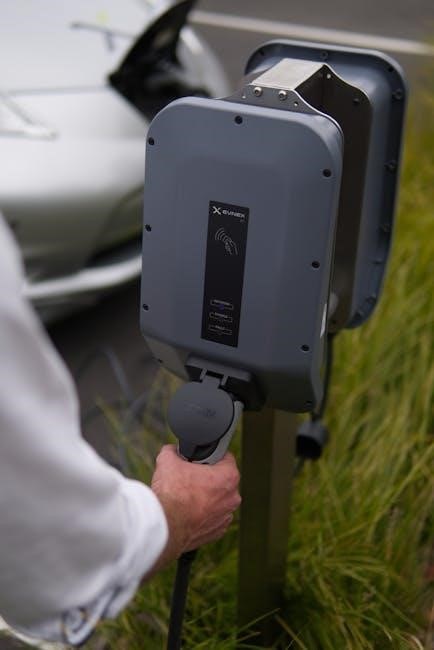
Century battery charger manuals often include wiring diagrams for proper connection and setup. Online resources also provide schematics for optimal performance and safe usage.
Understanding these diagrams ensures correct polarity and prevents damage to both the charger and the battery.
Understanding Charger Wiring
Properly understanding the wiring of your Century battery charger is paramount for safe and effective operation. The charger manual details the specific wiring configurations for each model, outlining the correct connections for both AC power input and DC output to the battery terminals.
Key considerations include identifying the positive (+) and negative (-) terminals on both the charger and the battery. Incorrect polarity can cause severe damage to the charger, the battery, and potentially create a hazardous situation. Diagrams within the manual illustrate these connections clearly.
Pay close attention to the gauge of the wiring used, ensuring it’s appropriate for the charger’s amperage rating. Always inspect the wiring for any signs of damage, such as fraying or exposed conductors, before each use. Online resources can supplement the manual, offering visual aids and troubleshooting tips related to wiring issues.
Locating Wiring Diagrams Online
While the Century battery charger manual is the primary source for wiring diagrams, supplemental resources are readily available online. A comprehensive search using the specific model number (e.g., CC1206, CK3154-1, K3153-1) coupled with “wiring diagram” will yield relevant results.
Numerous websites host user-submitted diagrams and schematics, often providing clearer visualizations than the printed manual. However, exercise caution when using third-party diagrams; always cross-reference with the official manual to ensure accuracy and safety.
Manufacturer support websites and online forums dedicated to automotive electrical systems can also be valuable sources. These platforms often feature discussions and shared knowledge regarding Century charger wiring, offering practical insights and troubleshooting advice. Remember to prioritize official documentation whenever possible.
Warranty Information
Century Yuasa Batteries provides a Five Year Warranty from the Date of Purchase against defects in materials and workmanship, as detailed in the manual.
This warranty covers normal use and is subject to specific terms and conditions outlined within the charger manual.
Century Yuasa Batteries Warranty Details
Century Yuasa stands behind its battery chargers with a comprehensive warranty, detailed within each product’s manual. Specifically, a Five Year Warranty is offered from the original Date of Purchase. This warranty assures customers that the charger is free from defects in both materials and workmanship under typical usage conditions.
However, the warranty doesn’t cover issues arising from misuse, accidental damage, unauthorized repairs, or failure to follow the instructions outlined in the charger manual. To make a claim, proof of purchase is required, and the product may need to be returned for inspection. The manual provides contact information for Century Yuasa Batteries Pty Ltd (Australia) and Century Yuasa Batteries (NZ) Ltd (New Zealand) for warranty claims and support.
Warranty Period & Coverage
The Century Yuasa warranty for its battery chargers, as detailed in the product manual, extends for a period of Five Years from the original purchase date. This coverage encompasses defects in materials and workmanship encountered during normal use. The manual explicitly states this protection, offering peace of mind to the consumer.
However, the warranty’s coverage is not absolute. It excludes failures resulting from improper use, neglect, unauthorized modifications, or damage caused by external factors. The charger manual outlines specific conditions that could void the warranty. Customers are advised to carefully review these terms to understand the scope of protection. Retaining the purchase receipt is vital for any warranty claim, as proof of the purchase date is required.
Maintenance & Care
Century charger manuals recommend regular cleaning and proper storage to ensure longevity. Keep the charger free from dust and store it in a dry location.
Following these simple steps, as outlined in the manual, will maintain optimal performance.
Cleaning the Charger
Maintaining a clean Century battery charger is essential for safe and efficient operation, as detailed in your charger manual. Before any cleaning procedure, always disconnect the charger from the mains power supply to prevent electrical shock. Use a soft, dry cloth to wipe down the exterior casing, removing any dust or dirt accumulation.
Avoid using abrasive cleaners, solvents, or excessive moisture, as these can damage the charger’s components. For stubborn grime, a slightly damp cloth may be used, but ensure it is thoroughly dried afterward. Pay particular attention to the charging leads and clamps, ensuring they are free from corrosion. Inspect the leads regularly for any damage and replace them if necessary, following the instructions in the manual.
Regular cleaning contributes to the charger’s longevity and ensures reliable performance.
Storing the Charger
Proper storage of your Century battery charger, as outlined in the charger manual, is vital for maintaining its condition and extending its lifespan. Before storing, ensure the charger is completely cool and dry. Disconnect the charger from the power outlet and coil the charging leads neatly to prevent damage or tangling.
Store the charger in a clean, dry, and well-ventilated location, away from extreme temperatures, humidity, and direct sunlight. Avoid storing it with or near flammable materials. Ideally, place the charger in its original packaging or a protective case to shield it from dust and physical impacts. Regularly check the stored charger for any signs of deterioration, and consult the manual for specific storage recommendations related to your model.
Following these guidelines ensures your charger remains ready for use when needed.